
Email marketing is still one of the best ways for businesses to get good leads. Unlike social media, which keeps changing, Email marketing best practices for lead generation is a direct and personal way to reach customers. With so many marketing messages everywhere, it’s more important than ever to create strong email strategies. This blog shares key tips that every brand, big or small, should follow to get more leads through email marketing.
1. Build a High-Quality Email marketing best practices for lead generation
Good email marketing best practices for lead generation starts with having a strong list. Buying email lists is a big mistake — it causes low engagement, bad delivery rates, and can damage your reputation. Instead, grow your list naturally.
Use Lead Magnets: Give free things like eBooks, webinars, templates, or discounts to get people’s emails.
Create Valuable Content: Write blog posts, make videos, or share infographics that ask people to subscribe.
Landing Pages: Make special pages that are just for getting email signups.
Social Media Promotions: Ask your followers on social media to join your email list.
Remember, the goal is not just a large list but an engaged, permission-based audience who wants to hear from you.
2. Personalize Your Email marketing best practices for lead generation
The days of saying "Dear Customer" are over. Personalization is much more than just using a first name. With the right CRM tools, you can personalize things like:
- Suggesting content based on what users liked before
- Sending emails as often as they prefer
- Offering deals based on their location
Emails that match a person's interests and actions are more likely to be opened and clicked. Studies show that personalized emails can boost click rates by 14% and increase conversions by 10%. This is a core aspect of email marketing best practices for lead generation.
3. Craft Irresistible Subject Lines
The subject line is the first (and sometimes only) thing people notice. A good subject line makes them curious without lying. Here are some tips:
- Keep it Short: 40–50 characters is best.
- Create Urgency: Use words like "limited time offer" to make people act faster.
- Ask Questions: Questions make readers want to open and find the answer.
- Avoid Spam Words: Words like “Free,” “Buy Now,” or too many exclamation marks (!!!) can send your email to spam.
4. Offer Real Value in Every Email
Every email you send should give something valuable — like helpful tips, discounts, new tools, or special news. If people find your emails useful, they’ll stay subscribed and interested.
Some ideas for value-packed emails are:
- How-to guides about your industry
- Special early-bird deals
- Important news from your industry
- Real success stories from case studies
Think: “What’s in it for the reader?” before hitting "Send." This mindset reflects strong email marketing best practices for lead generation.
It's important to divide the email list based on things like age, past actions, buying history, and how much people engage. This way, emails can be more personal and interesting, making sure each person gets content that matches their needs and interests, instead of sending the same message to everyone.
Another important tip is to write strong subject lines because they are the first thing people see. A good subject line should quickly catch attention, make people curious, offer value, or create urgency. It should also be short, clear, honest, and not look like spam.
Personalization is very important for Email marketing best practices for lead generation. Just using someone's first name can help more people open the email. But marketers should do more by using content that changes based on what each person likes, showing offers, products, or articles that match their past behavior and interests.
Designing mobile-friendly emails is a must in today’s campaigns because many people check emails on their phones and tablets. If the email doesn’t look right on smaller screens, people are more likely to delete it or unsubscribe - something to avoid when following email marketing best practices for lead generation.
Clear and strong calls-to-action (CTAs) are very important. Every email should focus on one main goal, like downloading a resource, signing up for a webinar, or making a purchase. CTAs should stand out, use action words, and be placed in the right spots to easily guide the reader to take action.
Consistency is key for good email marketing best practices for lead generation. Businesses should send emails regularly without overwhelming people. This builds trust and keeps the brand in their minds. Sending emails once or twice a week is a good start, but it’s important to test and find the best timing for your audience.
A/B testing is very important for improving email marketing. By testing different subject lines, designs, messages, CTA placements, send times, and personalization, marketers can see what works best for their audience and keep getting better results over time.
Following email rules like GDPR and the CAN-SPAM Act is very important. It’s not just about following the law but also about respecting your subscribers and building trust. This means clearly asking for permission to send emails, making it easy to unsubscribe, and being honest about how you will use their data.
Marketers should focus on building relationships with leads instead of trying to sell right away. Sending a welcome series to new subscribers, sharing helpful and valuable content through drip campaigns, and slowly guiding them toward buying helps build trust and shows you care about more than just making a sale.
Using marketing tools like HubSpot, Mailchimp, or Active Campaign can make lead nurturing easier. These tools tools support email marketing best practices for lead generation by sending personalized emails based on how people act, saving time and making it easier to reach more people without extra work.
Another important practice is keeping your email list clean by removing inactive subscribers, invalid addresses, or those who never engage. This helps improve open and click rates and keeps your emails delivered by reducing bounce rates and the risk of being blocked by email providers.
Integrating email marketing with other channels like social media, content marketing, and ads creates a unified lead generation system. This way, prospects see consistent messages across different platforms, helping them remember the brand and increasing the chances of conversion.
The quality of content in emails is important. Instead of just promoting products, businesses should offer helpful tips, interesting stories, case studies, reviews, and content from customers. This gives real value to readers and helps position the brand as a trusted advisor, not just a seller.
Visuals like images, GIFs, and videos can boost engagement, but they need to load quickly and work on all devices and email clients. Too many large images can slow things down and annoy readers, so it’s important to find a balance between looks and performance.
Setting up behavior-based triggers is a great practice. For example, sending a follow-up email when someone clicks on a product but doesn’t buy can increase conversions. This uses real-time data to send timely, relevant messages that encourage action.
Social sharing buttons and referral rewards in emails help expand reach. They make it easy for happy subscribers to share the brand’s message with others, bringing in new leads with little cost.
Focusing on key metrics like open rates, click rates, conversions, bounce rates, unsubscribe rates, and ROI is important for improvement. Marketers should look past basic numbers and focus on metrics that show how well their email marketing best practices for lead generation are performing.
Surveys and feedback forms in emails give valuable insights into what subscribers like, what they struggle with, and what they expect. This helps businesses improve future campaigns and keep a two-way conversation with their audience.
A key practice that’s often missed is properly welcoming new leads. The first emails a new subscriber gets set the tone for the relationship, so welcome emails should be friendly, helpful, and guide them to engage more, like following social media, reading blog posts, or joining a loyalty program.
Keeping subject lines and content varied helps prevent people from getting bored or disengaged. Mixing up content like how-to guides, industry news, customer stories, special offers, and behind-the-scenes looks keeps the audience interested and excited to get emails from the brand — a great example of email marketing best practices for lead generation in action.
Storytelling in emails is great for lead generation because it makes the brand feel more personal and helps build emotional connections, making prospects more likely to trust and buy from the company. Timing is also important—sending emails based on the recipient's time zone and past engagement increases the chances they’ll open and act on them quickly.
Adding gamification elements like quizzes, contests, and rewards can make emails more fun and encourage users to engage more with the brand. Also, it’s important to keep learning and adapting. Email marketing best practices for lead generation change with new technologies, shifting consumer habits, and new rules, so marketers who stay curious, try new things, and focus on customers will get the best leads and long-term success.
Using advanced email automation tools is a great way to manage and nurture leads. Automation saves time and helps send more personalized, timely, and relevant emails - supporting smarter email marketing best practices for lead generation.
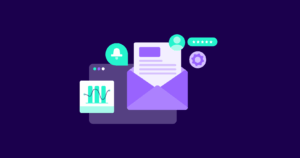
For example, you can set up automated welcome emails for new subscribers, drip campaigns for leads at different stages, or reminder emails for users who left items in their cart.
These automated campaigns can be triggered by user actions, making sure the right message goes to the right person at the right time without needing manual work. Automation lets marketers focus more on creating valuable content instead of sending individual emails.
Email marketing best practices for lead generation automation platforms also provide valuable data and insights into customer behavior, which can be used to further optimize campaigns and improve targeting.
Lead scoring is an important tactic that helps businesses find the best leads. By giving points to leads based on actions like opening an email, clicking a link, downloading content, or visiting the website, marketers can focus on following up with the leads most likely to convert.
Lead scoring helps sales teams focus on the best prospects, making lead management more efficient. It works well with email nurturing, as high-scoring leads can get targeted offers or a direct sales pitch, while lower-scoring leads can receive more educational content to move them through the funnel.
Consistency in voice and tone is key in all email communications. The way a brand speaks in emails should match its overall personality and values. Whether the brand is professional, casual, humorous, or authoritative, keeping a consistent tone helps build trust and familiarity with subscribers.
Inconsistent messaging can confuse people or make your brand feel disconnected. It’s also important to keep email copy clear, simple, and free of jargon. Recipients should easily understand what’s being offered and why it matters to them. The goal is to make each email feel like a personal conversation with a trusted advisor, not just a sales pitch.
More from our blog
See all posts





Pingback: générique kamagra livraison rapide en ligne
Pingback: kamagra s volným fedexem přes noc
Pingback: itraconazole cheap no membership
Pingback: purchase fildena generic india
Pingback: buy cheap gabapentin usa price
Pingback: buying flexeril cyclobenzaprine generic low price
Pingback: buying dutasteride low cost
Pingback: buying avodart buy online no prescription
Pingback: buying staxyn using mastercard
Pingback: buying xifaxan cheap new zealand
Pingback: ordering rifaximin generic mastercard
Pingback: purchase enclomiphene australia where to buy
Pingback: purchase androxal generic mastercard